


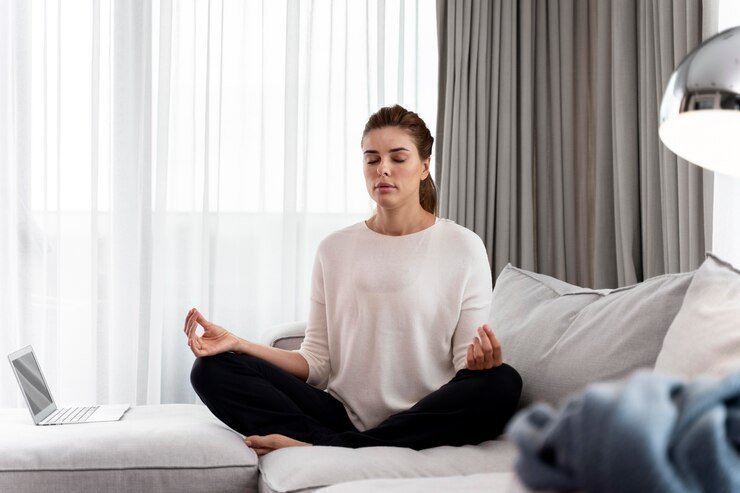
Gottman mental health therapy has become one of the most respected and research-driven approaches to relationship care, offering couples and individuals a compassionate, practical way to strengthen emotional bonds. Rooted in decades of clinical observation and scientific study, this therapy does not rely on vague advice or fleeting trends. Instead, it meets people where they are, helping them understand patterns, emotions and behaviors that shape their most important relationships.
Understanding the Origins of the Gottman Approach
The foundations of this therapeutic method were laid by Drs. John and Julie Gottman, whose work transformed how clinicians understand relationships. Through years of observing real couples in real-life situations, they identified behaviors that predict relationship success or distress. What makes this approach unique is its balance of emotional insight and measurable evidence, blending empathy with data in a way that feels both human and grounded.
The Science Behind Emotional Connection
At the heart of this therapy is a deep respect for emotional experience. Rather than focusing solely on conflict, therapists help partners recognize everyday moments of connection, known as “bids” for attention or care. Learning how to notice and respond to these moments can gradually rebuild trust and closeness. This scientific yet tender focus allows couples to feel seen without feeling analyzed or judged.
A Holistic View of Mental Health
While often associated with couples therapy, Gottman mental health therapy also supports individual well-being. Emotional regulation, stress management and self-awareness are essential skills taught within the framework. By addressing mental health alongside relationship dynamics, clients gain tools that benefit both their inner world and their shared lives with others.
Communication That Goes Beyond Words
One of the most powerful aspects of this approach is how it reframes communication. Rather than teaching scripted conversations, therapists guide clients to understand the emotional meaning behind words, tone and silence. This creates space for honest expression without escalating conflict. Over time, communication becomes less about winning an argument and more about understanding one another.
Conflict as an Opportunity for Growth
Conflict is not treated as a failure in this therapeutic model. Instead, it is viewed as a natural and potentially meaningful part of close relationships. Therapists help couples identify “perpetual problems” versus solvable issues, offering realistic strategies to manage disagreements with respect. This perspective often brings relief, as clients learn that harmony does not mean the absence of differences.
Building Trust and Emotional Safety
Trust is not assumed; it is carefully rebuilt through consistent, caring actions. Gottman-based therapists work with clients to repair emotional injuries, whether caused by miscommunication, neglect or deeper betrayals. Emotional safety becomes the goal, allowing partners to be vulnerable without fear. This process can be transformative, especially for those who have felt unheard or disconnected for years.
Practical Tools for Everyday Life
Another reason this therapy resonates with so many people is its practicality. Clients are given clear tools and exercises they can use outside the therapy room. These practices are designed to fit into daily routines, making growth feel achievable rather than overwhelming. Over time, small changes add up to meaningful shifts in how partners relate to one another.
Support Across Life Stages
Relationships evolve and so do the challenges that come with them. From new partnerships to long-term marriages, parenting stress or major life transitions, this approach adapts to different stages of life. Therapists trained in the Gottman Method understand that emotional needs change, and they tailor care to reflect each couple’s unique journey.
Choosing the Right Therapeutic Environment
Finding a supportive and skilled provider is essential for meaningful progress. Clinics like Tulua Collaborative Health integrate evidence-based approaches with compassionate care, creating an environment where clients feel respected and understood. When therapy is delivered in a setting that values both professionalism and warmth, the healing process feels more natural and sustainable.
The Role of the Gottman Method in Modern Therapy
The Gottman Method continues to influence contemporary mental health care because it bridges research and real-world application. Therapists trained in this model are equipped to address complex emotional patterns without losing sight of everyday human experiences. This balance makes the approach accessible to people from diverse backgrounds and relationship styles.
Why Evidence Matters in Emotional Healing
In a field where advice can sometimes feel subjective, evidence matters. Gottman mental health therapy stands out because its techniques are tested, refined and continually supported by ongoing research. Clients often find comfort in knowing that their therapeutic work is grounded in proven principles rather than guesswork.
A Unique Closing Perspective: Growing Together with Intention
Gottman mental health therapy ultimately invites people to approach relationships with intention, patience and curiosity. It reminds us that strong connections are not built through perfection, but through consistent care and understanding. By blending emotional wisdom with scientific insight, this approach offers a hopeful, realistic path toward healthier relationships and a more balanced inner life—one thoughtful step at a time.